Published
6 minute read

Transitioning into the field of cosmetic medicine requires a structured clinical path. The professional appeal of working in a specialized medical spa or plastic surgery clinic is clear, but true success in this field rests entirely on proper licensing, anatomical expertise, and rigorous hands-on training.
This guide outlines the precise steps required to establish a credible, secure career as an aesthetic nurse.
You must first graduate from an accredited nursing program. Candidates can choose between two main undergraduate pathways to qualify for professional practice:
If you already hold a degree in a different field, an accelerated BSN program can complete your formal nursing education in 12 to 18 months.
Graduation doesn't automatically grant the right to practice. You must register for and pass the National Council Licensure Examination for Registered Nurses (NCLEX RN). This computerized exam tests your critical thinking, diagnostic comprehension, and capacity to deliver safe patient care under pressure. Most candidates spend several weeks completing intensive practice questions to prepare for this testing profile.
After passing the examination, submit your application, college transcripts, and any other required documents to your state board of nursing. You must also complete a background check before receiving an active registered nurse license.
A multistate license may be available if your primary state of residence has completed implementation of the Nurse Licensure Compact and you meet its eligibility requirements. Massachusetts has adopted the compact but has not completed implementation, so nurses cannot use a multistate license to practice there at this time. Nurses who plan to work in Massachusetts must obtain state licensure and follow the Massachusetts Board of Registration in Nursing’s requirements.
Before pursuing advanced training, you must understand how different nursing roles dictate your autonomous scope of practice. The industry splits into three primary provider tiers:
An RN executes injectable treatments and non-surgical procedures under the direct supervision of a board-certified physician or medical director. You don't possess independent prescriptive authority.
This path requires returning to graduate school for a Master of Science in Nursing or a Doctor of Nursing Practice. Nurse practitioners operate as advanced practice registered nurses, granting them independent diagnostic and prescribing authority. This tier commands a higher salary and allows you to run clinical operations.
Many private employers turn away fresh graduates who lack solid prior nursing experience. Spending at least two years working in intense hospital environments builds the sharp clinical judgment required for private practice. This milestone takes time. You need to develop your diagnostic instincts before handling elective cosmetic treatments.
Working across these distinct specialties helps you master patient care and baseline fluid mechanics. You build your authority here.
Traditional nursing programs completely ignore aesthetic medicine. You must seek out post-graduate medical training courses that combine detailed facial anatomy with supervised clinical experience.
Your initial curriculum must emphasize the biological mechanisms of neuromodulators and dermal fillers. Providers must learn the precise tactile difference of passing a needle through distinct fascial layers. Quality programs also focus heavily on laser safety, allowing you to deliver laser treatments, laser hair removal, tattoo removal, and non-surgical body contouring safely.
Earning a national board certification establishes your elite clinical standing within the medical community. The Plastic Surgical Nursing Certification Board offers the Certified Aesthetic Nurse Specialist credential. This validation requires meeting strict baseline milestones before you can sit for the examination. First, you must hold an active, unrestricted registered nurse license.
Your experience must be documented.
You need one thousand verified practice hours within the last two years. A formal endorsement letter from a board-certified collaborating physician is mandatory. Once you earn the credential, keeping it requires ongoing effort. Maintaining your status involves completing forty-five hours of continuing education units every three years. The curriculum focuses on patient safety protocols.
Stepping into your first aesthetic role introduces a fast, retail-driven business model. Outpatient clinics operate on strict cash-pay margins, forcing new injectors to balance safe patient care with commercial performance targets.
Many new nurses make critical mistakes during their first year in practice:
Building a secure practice takes patience. Focus on developing clear patient relationships, documenting informed consent flawlessly, and tracking your clinical data with absolute transparency. Your safety record is your most valuable asset.
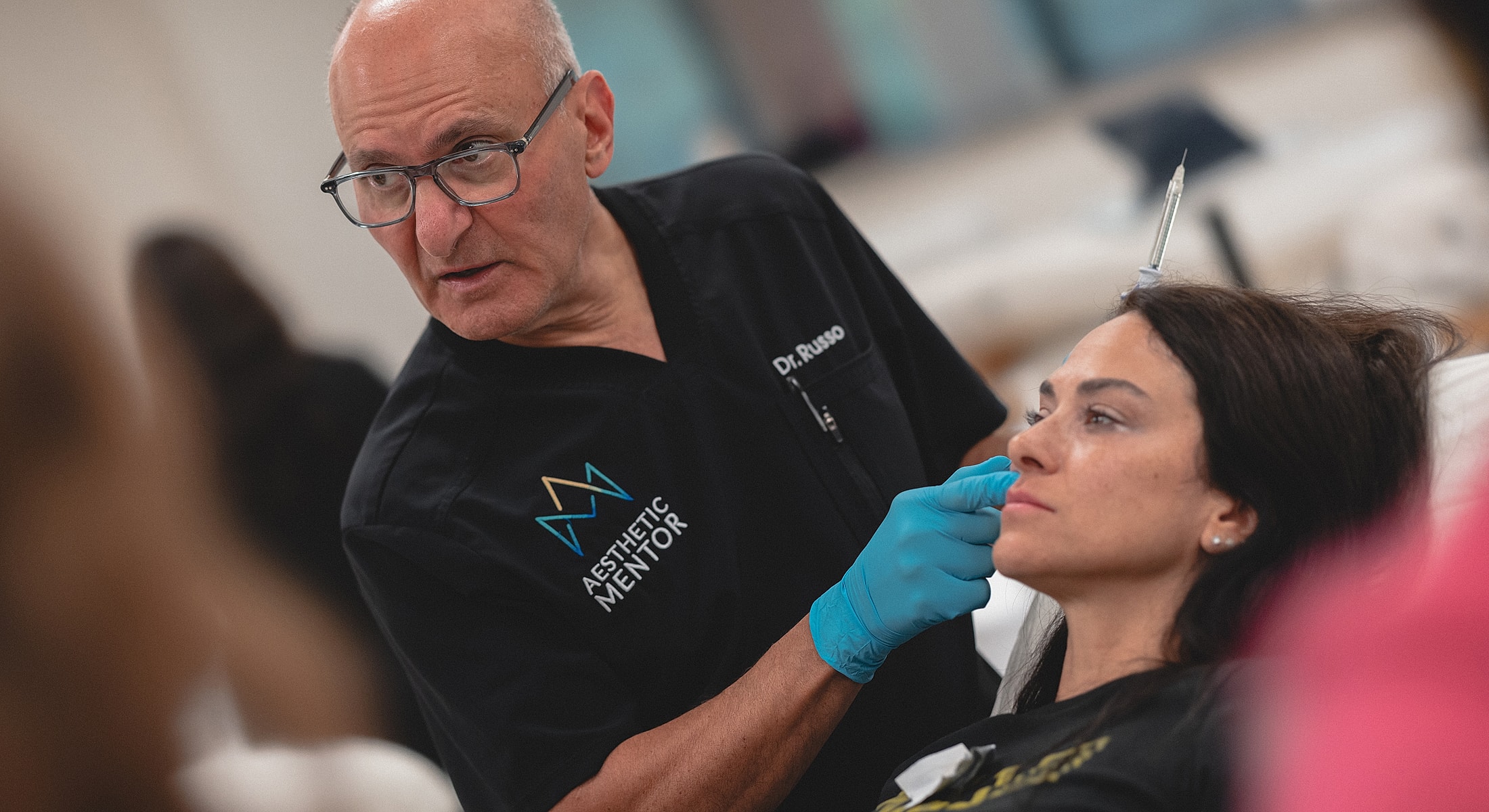
Formal clinical readiness requires far more than passive observation. You must do hands-on training. Aesthetic Mentor provides the structural baseline, hands-on model clinics, and regulatory compliance frameworks necessary to fully protect your hard-earned medical license. The modern market ignores amateurs.
Review our upcoming course calendar and submit your professional credentials online to secure your placement. Contact our admissions team today to establish your foundational practice and start your clinical evolution now.