Published
5 minute read
A new year can make a postponed career decision harder to ignore. You may want a different pace, a new clinical focus, or room to build something of your own. You probably will not feel completely comfortable before you begin.
For licensed healthcare professionals, becoming an aesthetic injector starts with confirming your eligibility, completing clinically sound training, and gaining supervised hands-on experience. Confidence develops through repetition: choose a responsible first step, practice the techniques you were taught, ask questions, and build from there.
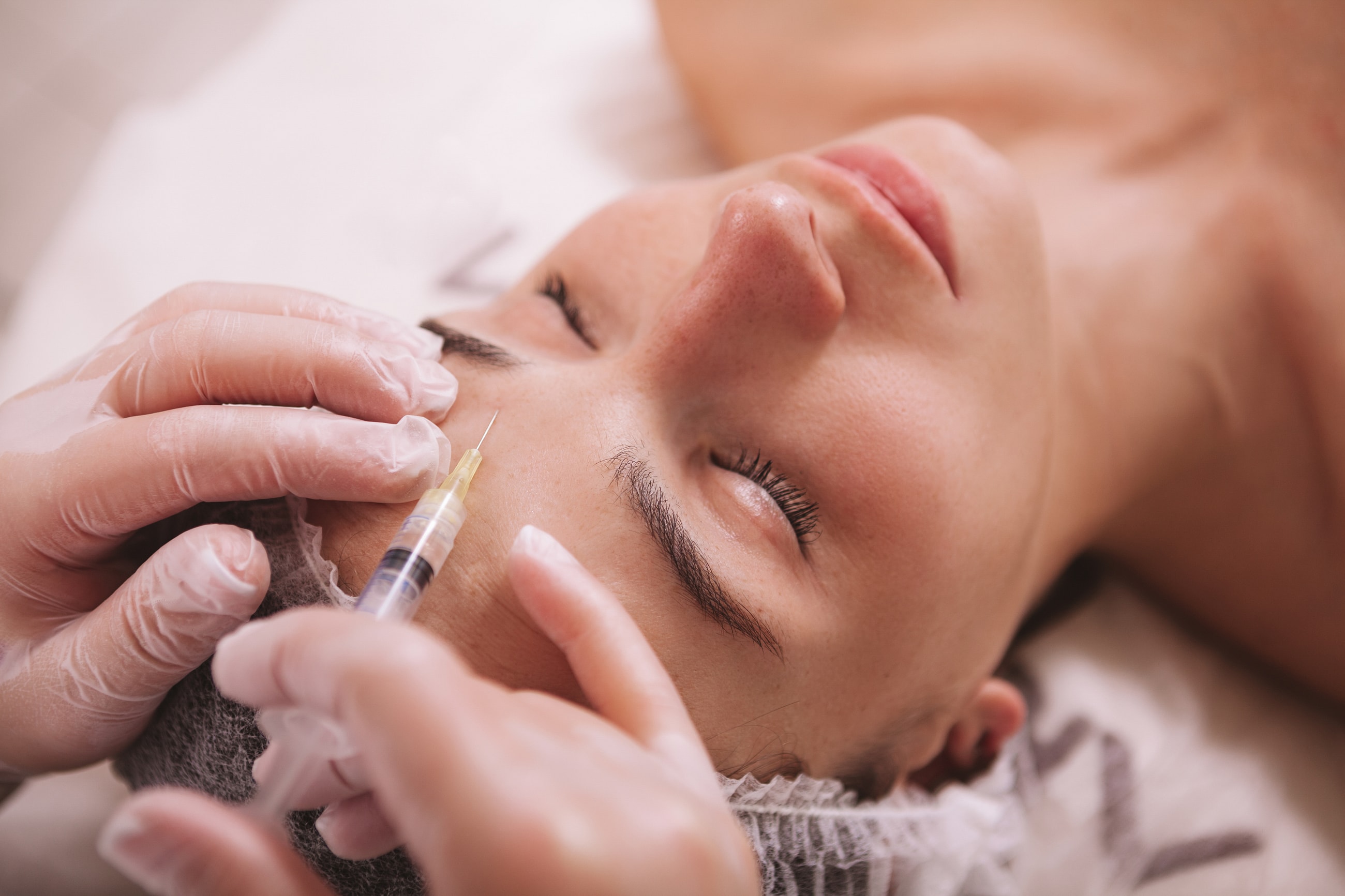
An aesthetic injector is a licensed medical professional who assesses patients and performs botulinum toxin and dermal filler injections. Injectable treatments are medical procedures with clinical risks. The work includes consultation, facial analysis, treatment planning, documentation, and complication management. Aesthetic nurses also provide post-treatment care and safety follow-ups. Depending on state laws, providers may work in medical spas, dermatology offices, plastic surgery offices, or a compliant independent practice.
Changing careers can feel especially uncomfortable when you are already competent in your current role. You know how to move through a shift, speak with patients, document care, and respond when something changes. Entering aesthetics puts you back in a beginner's position, and that can make an experienced clinician hesitate.
Waiting for every doubt to disappear rarely helps. A better first move is to gather enough information to make a sound decision. Confirm that aesthetic medicine fits your interests, understand the training and legal requirements, and choose an introductory course that includes meaningful clinical practice.
Registered nurses, nurse practitioners, physician assistants, physicians, dentists, CRNAs, and other eligible medical professionals bring relevant skills into aesthetic medicine. Patient communication, informed consent, aseptic technique, documentation, medication knowledge, and clinical judgment remain part of your work. Formal medical education does not typically cover cosmetic procedures. These abilities create a useful base for aesthetic nursing and other medical aesthetics roles.
Aesthetic practice adds specialized responsibilities. Injectors must understand facial anatomy, including muscles, nerves, and blood vessels. You must also understand product behavior, develop conservative treatment plans, recognize complications, and manage patient expectations. Your healthcare background supports that work, while dedicated aesthetics training for medical providers teaches you how to apply it in a new setting.
The first requirement is an active license. Eligible healthcare licenses can include RN, NP, PA, MD, DO, and DDS, and Aesthetic Mentor also trains eligible LPNs and CRNAs. Some states permit trained RNs and NPs to inject under physician or nurse practitioner supervision. Your authority depends on your license, state scope-of-practice rules, and any required delegation or medical director relationship. Aesthetic certification can strengthen credibility; it is not always legally required and never expands your scope.
Once eligibility is confirmed, begin with foundational education. Aesthetic Mentor recommends Introduction to Neurotoxins for novice injectors, followed by Introduction to Dermal Fillers. This sequence gives you time to understand facial assessment, product fundamentals, injection technique, safety, and complication awareness before moving into more advanced treatment areas.
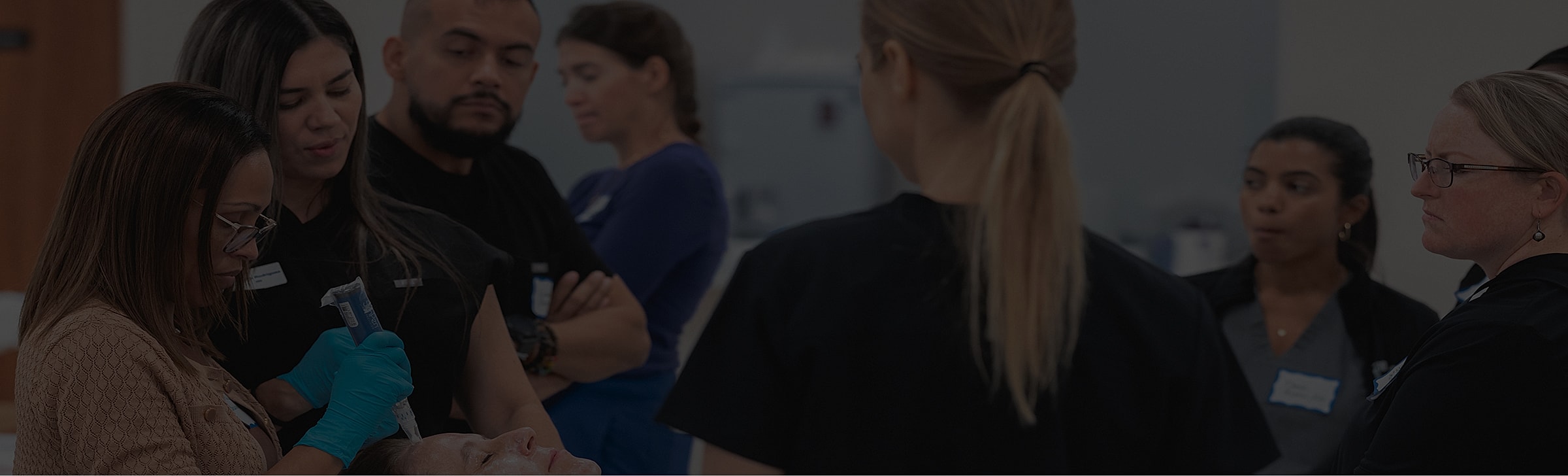
Course quality is important to consider. Look for a program that combines didactic instruction with live patient training and direct guidance from experienced providers. Watching an injection and performing one requires different skills. Working with models lets an instructor correct your assessment, hand position, depth, dose, and treatment plan as you build your technique.
There is no fixed timeline for feeling comfortable as an aesthetic injector. You can complete foundational training in a relatively short period, but comfort grows over the weeks and months that follow as you repeat core techniques, review outcomes, and encounter different facial presentations.
Your work setting also affects the pace. A clinician joining an established aesthetic practice may receive frequent exposure and regular case feedback. Someone adding injectables to a part-time schedule may build experience gradually. Progress is better measured by consistent assessment, safe decision-making, and knowing when to ask for help than by a date on the calendar.
One course can give nurse injectors and other providers a strong clinical foundation. It cannot replace repetition. After your first certification, apply the same skills before adding a long list of advanced procedures.
Supervised sessions such as the Neurotoxin Practice Clinic give newer injectors another opportunity to work with live models and receive direct feedback. Ongoing anatomy education also becomes more valuable after you have treated patients. Structures that once felt abstract become connected to decisions you have made in practice, which is why providers may return to the Applied Anatomy for Facial Aesthetics cadaver course as their skills develop.
Mentorship supports the space between training and independent judgment. An experienced educator can help you review a case, recognize a gap in your assessment, and decide which skill to strengthen next. Continuing education and advanced training should follow the needs you identify in clinical practice, rather than a rush to add every available procedure.
With sufficient experience, aesthetic nurses may pursue the Certified Aesthetic Nurse Specialist credential.
A career change becomes manageable in smaller steps. Confirm your eligibility, choose your first course, create room to practice, and make the next decision from experience.
Aesthetic Mentor offers hybrid education, live-model training, practice clinics, and continuing coursework for licensed medical professionals in Boston and Hartford. Founded by Harvard-trained, board-certified plastic surgeon Dr. Joseph A. Russo, the program follows a progressive curriculum built around patient safety and clinical skill development.
Review the medical aesthetics course options or speak with a Student Advisor about a training path that fits your license, experience, and career plans. A credible starting point and a plan for continued practice can move the idea forward.